
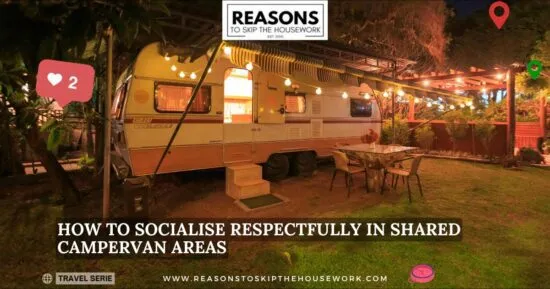
If it’s your first time in a shared campervan area in New Zealand, you’ll find that these spaces have a rhythm of their own. One moment, everyone is quietly making breakfast or packing up for the day. The next, you’re conversing with strangers who were complete unknowns the night before. This mix of closeness and independence is part of what makes campervan travel appealing, but it also means social boundaries matter more than you might expect.
No matter if you’re travelling in your own vehicle or using a campervan rental NZ tourists patronise to explore the country, how you interact with others can shape the mood of the entire trip. A few thoughtful choices on your part can go a long way in keeping shared areas welcoming for everyone.
Campervan areas in New Zealand are designed to be communal. This means that kitchens, wash-up benches, dump stations, picnic tables, and parking bays are shared, often by people with very different travel styles. Some are seasoned locals enjoying a weekend away, while others are international visitors still adjusting to life on the road.
Because of this mix, it’s normal that everyone’s expectations are not always stated outright. Most of the time, the tone of a space is set by how people behave rather than by written rules. When you treat shared areas as neutral ground instead of extensions of your own living space, everything tends to flow more smoothly.
2) Know When to Engage and When to Hold Back
Not every moment is an invitation to socialise. One of the easiest ways to be respectful is to observe before engaging. A quick glance around can tell you a lot about whether people are open to conversation or simply enjoying some quiet time.
Someone cooking with headphones in, reading, or keeping their focus inside their campervan may be signalling that they want space. On the other hand, relaxed body language, eye contact, or casual conversation with others often means they are happy to chat. Respecting these cues helps avoid awkward interactions and shows consideration without needing to say anything.
3) Start Conversations without Overstepping
The right moment can lead to simple and natural conversations. Commenting on the weather or asking about road conditions, even sharing a low-key travel tip, can keep things light and non-intrusive. There is no need to launch straight into personal questions or long stories.
It also helps to keep your tone and volume in check. This is because shared campervan areas amplify sound more than you might realise, especially in the early morning or evening. And just like how you’d let conversations unfold naturally, be comfortable letting them end easily. After all, not every interaction needs to turn into a full social exchange.
4) Respect Quiet Time and Personal Space
One of the most common sources of tension in shared campervan areas is noise. It’s a space that brings together people who keep different schedules, and so, what feels like normal activity to you may be disruptive to someone else.
Quiet hours exist for a reason, but courtesy should extend beyond posted times. Early starts, late arrivals, and casual conversations can all carry further than intended, so be mindful of these. Closing doors gently and keeping voices low can also help maintain a calm environment.
Personal space matters just as much. Parking too close or spreading belongings across communal tables, for instance, can make others feel crowded. A little spatial awareness helps everyone feel more at ease when you’re using a shared and busy space.
That said, facilities like kitchens and wash-up areas work best when people move through them efficiently. To do your part in keeping things flowing, prepare meals ahead of time and clean as you go. This gives others in the area the opportunity to use the space efficiently. It helps to think of shared spaces as high-traffic zones rather than places to settle in. When everyone treats these facilities as temporary spaces, they can contribute to shortening waiting times for the rest of the people sharing the site.
6) Be Thoughtful with Music, Food, and Alcohol
What feels enjoyable to you may not land the same way for others. Music is a good example. Playing it quietly inside your vehicle is usually fine, but speakers in shared outdoor areas can quickly dominate the space. If others can hear your playlist clearly, it’s probably too loud.
Food can have a similar effect. Cooking strong-smelling meals is part of travel life, but be mindful of ventilation and shared indoor spaces to help keep things comfortable. Alcohol also calls for awareness. A relaxed drink can be social, but louder behaviour or late-night noise often shifts the atmosphere in ways others did not sign up for.
7) Step Away from Uncomfortable Situations
Even in generally friendly environments, not every interaction will feel right. Knowing how to disengage politely is an important skill that can serve you well no matter where you go.
A change of focus or returning to your campervan is often enough to signal that you want space. Also, remember that you are never obligated to continue a conversation that makes you uncomfortable. Choosing your own comfort and safety is not rude, and most people will respect clear, calm boundaries when they are expressed confidently.
Socialising respectfully in shared campervan areas is about balance. You are free to enjoy your journey, but you also need to remain aware of how your presence affects others. When you combine consideration with openness, you can help turn shared spaces into places of connection rather than tension.