
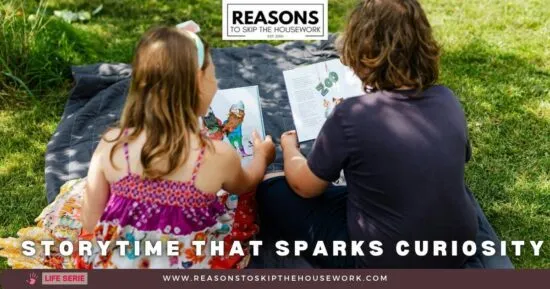
When a child asks, “Why do people trade? Why do we help others? Why does the sky change colors? You’ve just opened the door to curiosity. Reading together gives kids a chance to explore those questions and connect ideas that shape how they see the world. The right stories do more than entertain; they make kids wonder, analyze, and ask “why.”
One great way to nurture that curiosity is through engaging children’s books that make big ideas simple. A standout example is the Tuttle Twins series—a set of clever, story-driven books that help kids understand freedom, community, and economics in ways they can grasp. These fun children’s books and learning resources introduce concepts like trade, cooperation, and personal responsibility through relatable adventures.
Below are ideas and book picks that help kids see how stories connect to real life and why reading is a great way to build awareness about the world around them.
Contents
1. Start with Simple Big Ideas
Before jumping into complicated topics, start with stories that mirror a child’s everyday experiences. Books about money, choices, or fairness are perfect starting points.
For instance, a book about earning, saving, or sharing teaches more than numbers—it shows decision-making. Kids who read stories about lemonade stands, chores, or sharing toys start to grasp the basics of economy and cooperation.
A child watching two story characters swap apples for cookies begins to see how trade works. They notice trust, fairness, and the idea of give-and-take. Once kids understand these small examples, they’re ready for bigger discussions about community, rules, and how people depend on one another.
2. Introduce Civics, Liberty, and Responsibility
The Tuttle Twins books do something unique: they take ideas usually saved for adults—like rights, laws, and free exchange—and make them fun and understandable for kids. Each story follows two siblings who explore these ideas in relatable ways, helping readers see why fairness, choice, and respect for others matter.
In one story, the twins learn why some laws protect while others restrict. In another, they explore trade and innovation. The colorful illustrations and simple storytelling make these big ideas stick without overwhelming young minds.
Parents can turn each book into a mini discussion. Ask things like, “Why did that rule matter?” or “What would happen if people didn’t follow fair laws?” Simple questions like these help children turn stories into lessons about real life.
3. Explore Life Beyond Home
Kids are naturally curious about how others live, what different places look like, and how life changes across cultures. Picture books that show children around the world—eating, playing, learning, and celebrating—help young readers see life beyond their own bubble.
Reading about a child walking to school in Kenya or eating lunch in Japan sparks empathy and connection. It opens natural questions: “Why do they wear that?” or “Why do they eat that dish?”
Books about different habitats and climates add another layer. Stories showing forests, oceans, and deserts let kids imagine how the environment affects the way people live. After finishing a story, you might say, “What would happen if the trees were cut down?” or “How is our town similar or different?”
Those moments of wonder shape an early sense of global awareness.
4. Pick Stories That Encourage Questions
Books that include discussion prompts or small activities at the end make learning stick. Some titles, like the Tuttle Twins series, add questions or glossaries that help kids reflect on what they’ve read.
Try pausing mid-story to ask:
- “What would you do if you were this character?”
- “Was that a fair trade?”
- “What do you think happens next?”
You can also extend reading into play—let kids draw a scene, write their own version, or act it out. These activities keep curiosity alive and help them think deeply about what they read.
5. Keep It Interactive and Varied
A curious reader grows best with variety. Build a mix of story types—some about money, some about culture, some about science or the environment. Rotate topics so reading time stays fresh and exciting.
Try pairing stories with real-life experiences. After a book about trading, organize a toy swap at home. After reading a culture-based story, cook a simple meal from another country. When kids apply story ideas to real life, they connect reading with living—and those lessons last much longer.
Even revisiting a story weeks later can spark new insights. Ask, “Does this part mean something new now?” Kids process ideas differently each time they grow a little older.
6. Book Suggestions by Age
Ages 4–7:
Look for picture books showing everyday life in different countries. Titles like Children Just Like Me or If the World Were a Village are great introductions to diversity and empathy.
Ages 6–10:
Stories about trade, money, and fairness teach how small decisions connect to big systems. Books like One Hen or Lemonade in Winter make economics relatable.
Ages 8–12:
Adventure-based learning works best here. The Tuttle Twins books fit perfectly—fast-paced stories that teach big lessons about rights, entrepreneurship, and free exchange.
Once older kids show interest, mix in beginner nonfiction—like biographies of inventors, explorers, or young activists—to show how ideas from stories play out in real life.
7. Turn Reading Time Into Discovery
Reading shouldn’t feel like homework. The goal is to make it a shared adventure. Here are a few small things that make storytime more meaningful:
- Read together: Take turns reading pages and talking about surprises or questions that come up.
- Encourage “why” questions: Instead of rushing to answer, ask, “What do you think?” and explore their reasoning.
- Relate stories to real life: Point out moments in daily life that connect with something from a book.
- Mix it up: Keep rotating between fun, educational, and thought-provoking titles.
- Celebrate curiosity: Even if a question seems random, it shows your child is thinking. That’s a win.
These small habits help turn books into lifelong learning tools.
Conclusion
Kids today are surrounded by information and change. Reading stories that explain how the world works helps them build confidence and understanding early on. When they read about trade, fairness, culture, or environment, they’re practicing critical thinking and empathy.
Books that challenge and inspire don’t just raise good readers—they raise thoughtful people. Each story adds a piece to their understanding of community, responsibility, and connection.
Reading time becomes more than bedtime routine—it’s a window into how the world works.
So grab a book tonight, read with your child, and let curiosity take over. You never know which question—or story—will spark their next big idea.