
Step 1: Get Clear on What You’re Actually Changing
“We want to update it” isn’t a plan.
Before calling contractors, pause and answer these honestly:
Scope Clarity Checklist
- What isn’t working in this space right now?
- Are we changing the layout — or just finishes?
- Are plumbing, walls, or windows moving?
- What absolutely must improve?
- What budget range feels responsible (not just hopeful)?
If you can explain the project clearly in one paragraph, you’re on the right track.
Step 2: Lock the Layout Before Falling in Love With Finishes
It’s tempting to choose tile and cabinet colors first. But layout decisions are the ones that cost real money to change.


Moving plumbing. Shifting an island. Widening a doorway mid-project.
That’s where change orders happen.
More homeowners are reviewing realistic design visuals before construction to test flow, proportions, and materials. Seeing the space in 3D (instead of trying to imagine it) helps prevent second-guessing later. Services like ArchiCGI create 3D interior rendering that make it easier to confirm layout and finish decisions before work begins — which means fewer revisions, faster approvals, and less stress once construction starts.
When you can see it clearly, you decide faster.
Step 3: Choose Materials in the Right Order
One of the easiest ways to feel overwhelmed? Choosing everything at once.
Instead, move in this order:
Material Selection Checklist
- Flooring
- Tile & countertops
- Cabinet style and color
- Paint
- Hardware and fixtures
Why this order?
Because flooring and stone are hardest to swap. Paint is easy to change later.
Give yourself structure and decisions feel simpler.
Mini Example: How Small Changes Become Big Costs
Before (unclear plan):
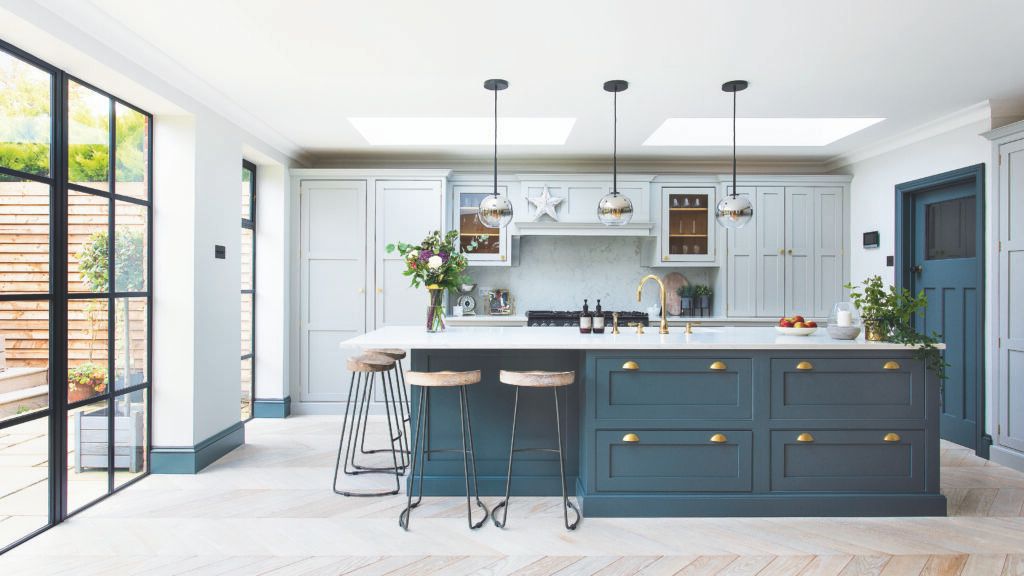
You tell the contractor you want a modern kitchen with a big island. During construction, you realize the island feels tight — so you widen it and move the sink.
Result: Plumbing adjustments + cabinet rework + added labor = several thousand dollars extra.
After (layout finalized first):
You review the island size, walking clearance, appliance spacing, and lighting placement ahead of time. Everything is measured and approved before demo.
Result: No mid-project surprises. Install stays on schedule.
Clarity feels boring at first. But it’s powerful later.
Step 4: Plan for the “Unexpected” Without Panicking
Even well-planned renovations uncover surprises.
A healthy buffer looks like:
- 10–15% contingency for cosmetic upgrades
- 15–20% if structural changes are involved
- Separate line item for design or visualization support
When you expect small surprises, they don’t feel like disasters.
Step 5: Make Sure Everyone Is Working From the Same Plan
Miscommunication is expensive.
Contractor Alignment Checklist
- Final drawings attached to the contract
- Materials listed clearly
- Timeline broken into phases
- Payment tied to milestones
- Written change-order process
If something changes, it should be discussed and documented — not assumed.
Where Most Renovations Slow Down


4
- Comparing too many tile samples
- Choosing paint before flooring
- Starting demo before final approval
- Underestimating lighting placement
Decision fatigue is real. Narrow options early and protect your energy.
FAQ: Renovation Planning Questions Homeowners Ask
How detailed should my renovation plan be before hiring a contractor?
Detailed enough that layout, plumbing placement, and major structural decisions are already settled. Finishes can evolve. Structure shouldn’t.
Do I need drawings for a small remodel?
If walls, plumbing, or cabinetry are moving — yes. Even simple scaled plans prevent misunderstandings.
When should materials be ordered?
As soon as layout is finalized. Delays in materials often delay the whole project.
How do I avoid change orders?
Finalize layout. Confirm materials in writing. Review visuals before construction starts.
Is design visualization really necessary?
Not always — but if you’re investing significantly or changing layout, it often prevents expensive second thoughts.
The One Rule That Saves Money
Decide early.
Every decision made before demolition is cheaper than one made after.
Renovations don’t have to feel chaotic.
With a clear plan, they feel manageable — even exciting.
Plan first. Then build.
If you’re still shaping your ideas, it helps to look at inspiration and practical guidance side by side. Start by browsing the Decorate hub for room-by-room ideas and style direction. — then pair that with a more tactical read like this home improvement guide to understand what upgrades actually involve before you commit. Seeing both the creative vision and the practical steps together makes it much easier to define scope and avoid costly mid-project changes.